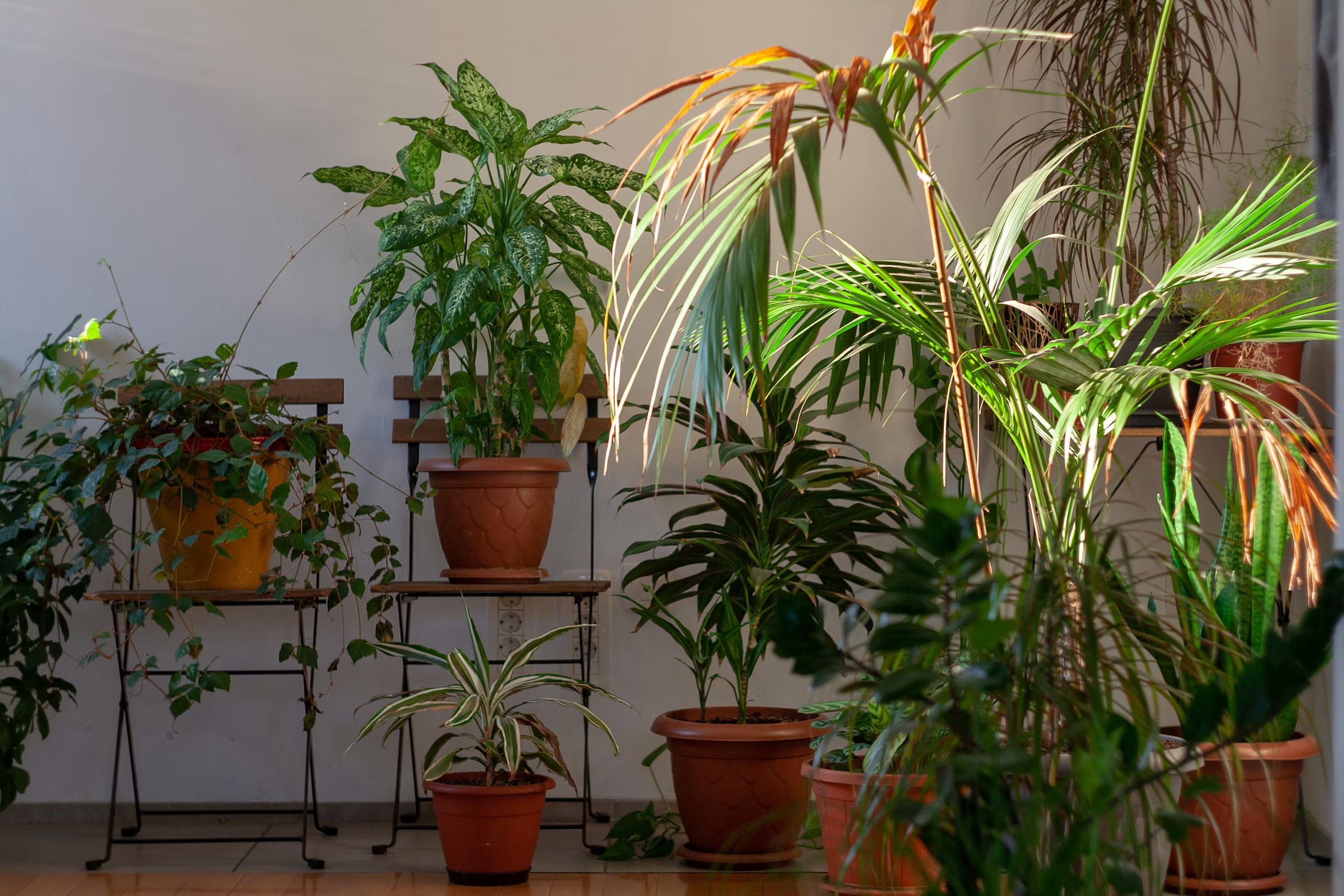
Indoor gardening is an easy and rewarding way to bring nature into your home, office, apartment, hotel, café, or other indoor spaces. Plants can make a room feel fresher, more attractive, and relaxing while adding natural beauty to your surroundings.
Whether you are a beginner or already have a collection of houseplants, proper plant selection and regular care can help your indoor garden stay healthy throughout the year.
Choose the Right Indoor Plants
The first step to successful indoor gardening is choosing plants that can adapt to indoor conditions. Consider the amount of natural light, room temperature, humidity, and available space before selecting plants.
Popular indoor plants include Snake Plant, Money Plant, Peace Lily, Spider Plant, ZZ Plant, Rubber Plant, Areca Palm, Aloe Vera, and various varieties of Philodendron.
For rooms with limited sunlight, choose plants that tolerate low-light conditions. Plants requiring more sunlight should be placed near bright windows or other suitable light sources.
Provide Adequate Light
Light is one of the most important requirements for indoor plants. Most plants need sufficient indirect sunlight to grow properly.
Place light-loving plants near windows where they can receive bright but filtered sunlight. Avoid placing sensitive plants directly against very hot glass, particularly during strong afternoon sunlight.
If your room does not receive enough natural light, you can consider using suitable LED grow lights to provide additional illumination.
Water Plants Properly
Overwatering is one of the most common causes of indoor plant problems. Instead of watering plants on a fixed schedule, check the soil before watering.
Insert your finger approximately one to two inches into the soil. If the soil feels dry, the plant may need water. If it is still moist, wait before watering again.

Always use pots with drainage holes so excess water can escape. Standing water around the roots can cause root rot and other problems.
Use Good Quality Soil
Healthy soil provides plants with the nutrients, air, and drainage they need. Choose a potting mix appropriate for the type of plant you are growing.
Indoor plants generally benefit from a loose, well-draining growing medium. Avoid using heavy garden soil alone in indoor pots because it can become compacted and retain too much moisture.
Maintain Proper Humidity
Many tropical indoor plants prefer moderate to high humidity. Dry indoor air can cause brown leaf edges, curling leaves, or slow growth.
You can increase humidity by grouping plants together, using a humidifier, or placing plants in naturally humid areas where appropriate.
However, avoid excessive moisture around leaves and ensure adequate air circulation to reduce the risk of fungal problems.
Choose the Right Pot
The right pot can make a significant difference in plant health. Select a container that provides enough room for root development without being unnecessarily large.
Drainage holes are especially important. Decorative pots without drainage should ideally be used as outer covers with a suitable draining pot placed inside.
Clean and Maintain Your Plants
Indoor plants need regular maintenance. Remove yellow, damaged, or dead leaves to keep plants looking healthy and attractive.
Dust can also accumulate on leaves and reduce their ability to absorb light. Gently wipe broad leaves with a clean, damp cloth when necessary.
Regularly inspect plants for common pests such as mealybugs, aphids, spider mites, and scale insects. Early detection makes pest management much easier.
Fertilize According to Plant Needs
Indoor plants require nutrients for healthy growth, but excessive fertilizer can damage roots.
Use a balanced fertilizer according to the plant’s requirements and the manufacturer’s recommended dosage. During active growing periods, plants may require more frequent feeding, while many plants need less fertilizer during slower growth periods.
Give Plants Enough Space
Avoid overcrowding your indoor garden. Plants need sufficient space for leaves and branches to develop, as well as adequate airflow around them.
Keeping plants too close together can also make it easier for pests and diseases to spread from one plant to another.
Rotate Your Plants
Plants naturally grow toward available light. Rotating your pots occasionally can help encourage more balanced growth and prevent plants from leaning heavily toward a window.
A simple quarter-turn every few weeks can help maintain a more even appearance.
Create a Simple Indoor Garden Routine
A regular care routine makes indoor gardening much easier. Check your plants regularly for soil moisture, pests, damaged leaves, and signs of nutrient deficiencies.
A simple routine can include:
– Check soil moisture
– Inspect leaves for pests
– Remove dead or yellow leaves
– Clean dusty leaves
– Rotate plants
– Check drainage
– Fertilize when required
– Prune overgrown branches
Indoor Gardening in Kathmandu
Indoor gardening can work particularly well in apartments, offices, cafés, hotels, restaurants, and homes in Kathmandu Valley. Selecting plants according to the available light and indoor environment can help create attractive green spaces without requiring a large outdoor garden.
For homes and businesses with limited time for plant maintenance, professional gardening services can also help with plant selection, installation, regular maintenance, pruning, soil management, and indoor plant care.
Conclusion
Indoor gardening does not require a large space or extensive experience. With the right plants, adequate light, proper watering, suitable soil, and regular maintenance, you can create a beautiful and healthy indoor garden.
Start with a few easy-to-care-for plants, understand their individual requirements, and gradually expand your collection. A well-maintained indoor garden can transform an ordinary space into a more natural, welcoming, and refreshing environment.